Strain Snapshot
Why Triple CD3 Humanization?
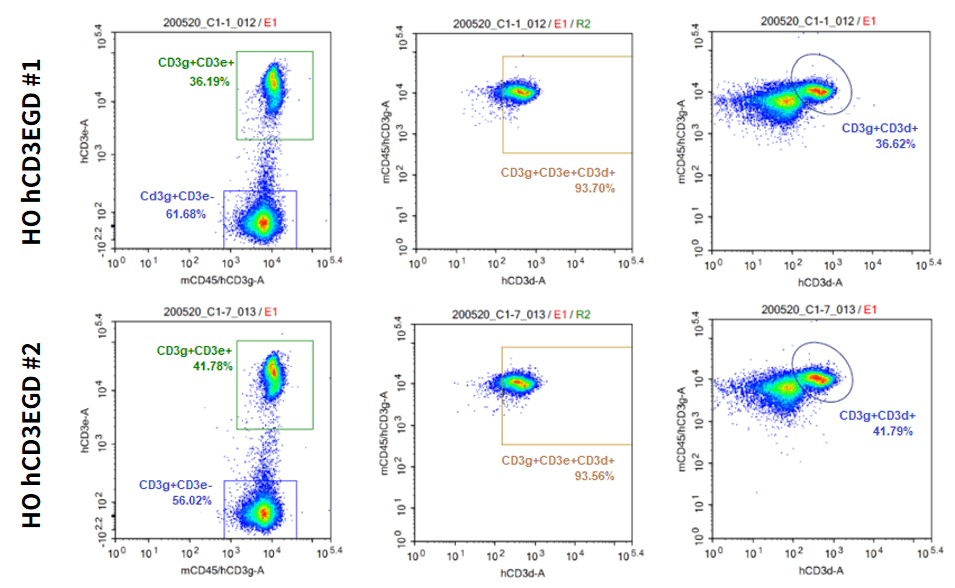
The TCR requires the CD3 complex for signal transduction, comprising CD3ε/δ, CD3ε/γ, and CD3ζ/ζ dimers that together provide 10 ITAMs to drive downstream activation. CD3ε is the primary target for most TCEs, but it functions as an obligate heterodimer with CD3δ and CD3γ. Humanizing only CD3ε can produce hybrid mouse-human complexes that do not fully reproduce human binding and signaling.
By humanizing CD3E, CD3D, and CD3G simultaneously, hCD3EDG provides:
- Accurate human epitope presentation, including interfaces at ε/δ and ε/γ
- Physiologic ITAM-based signal transduction through a properly assembled CD3 complex
- Translatable cytokine release profiles in an immunocompetent, syngeneic system
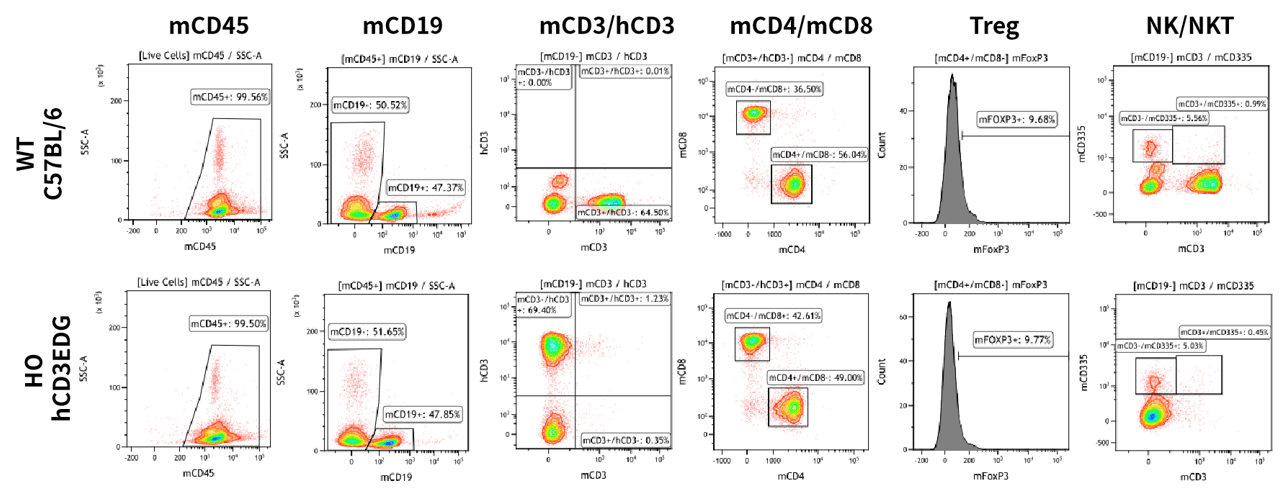
- Preserved immune architecture, including normal T cell development and subset distribution
Validation Data
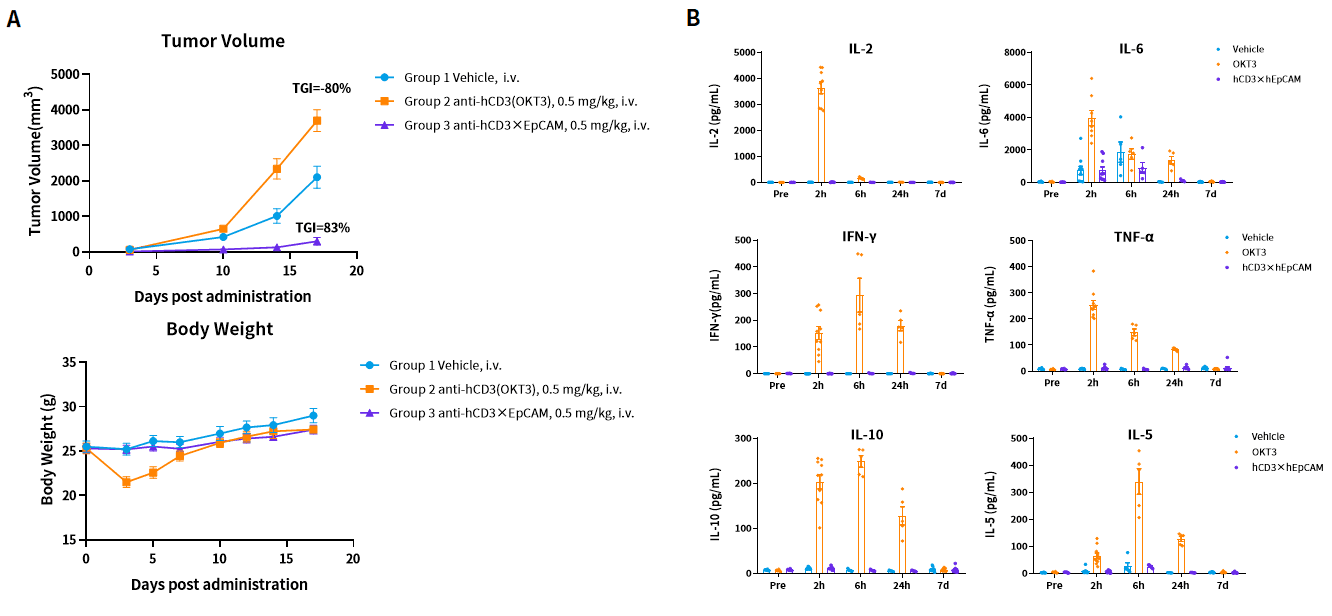
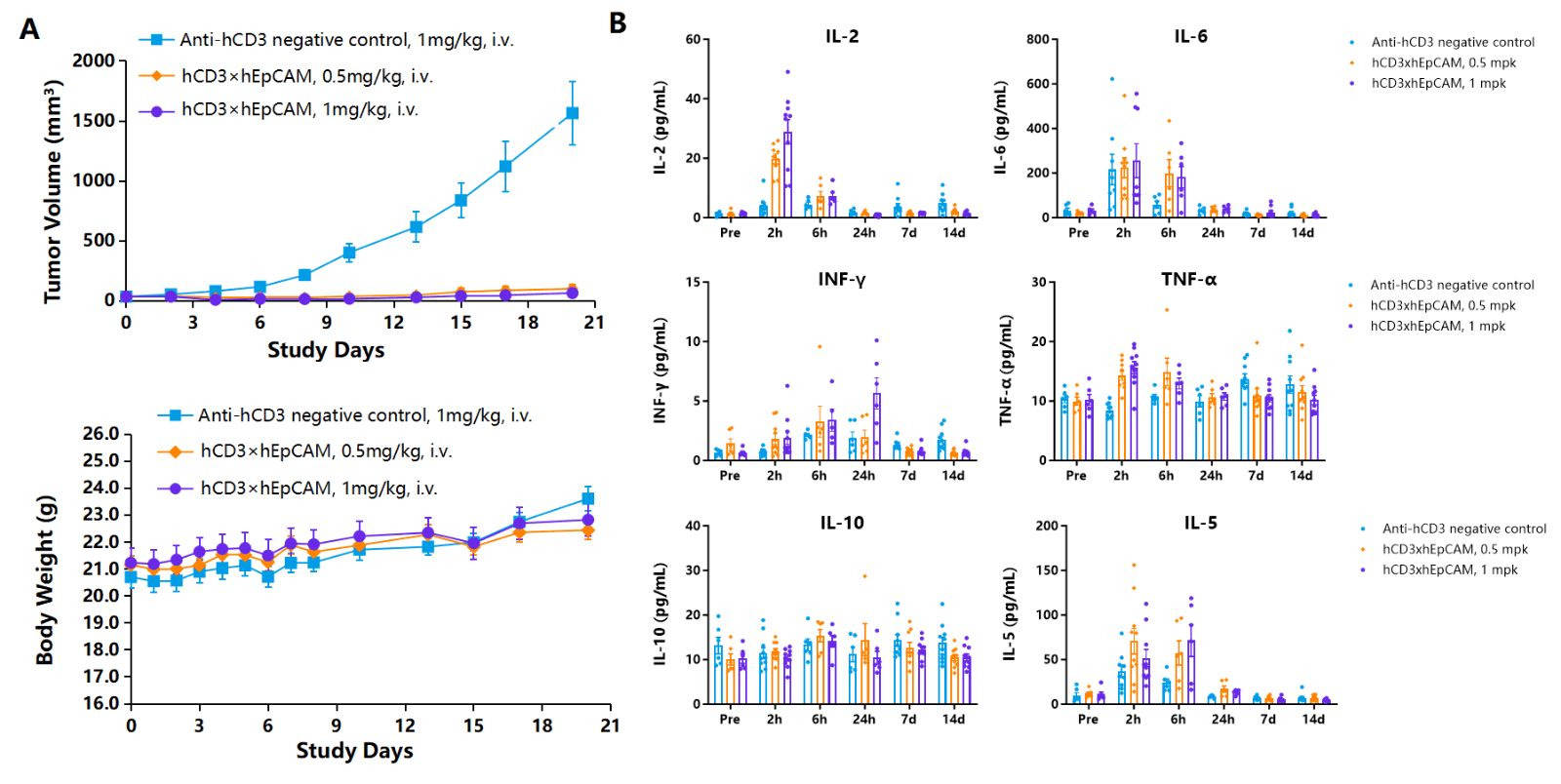
Homozygous hCD3EDG mice were engrafted with MC38-hEpCAM to evaluate the AICD and irAE of OKT3 and anti-CD3×EpCAM bispecific antibody in vivo.
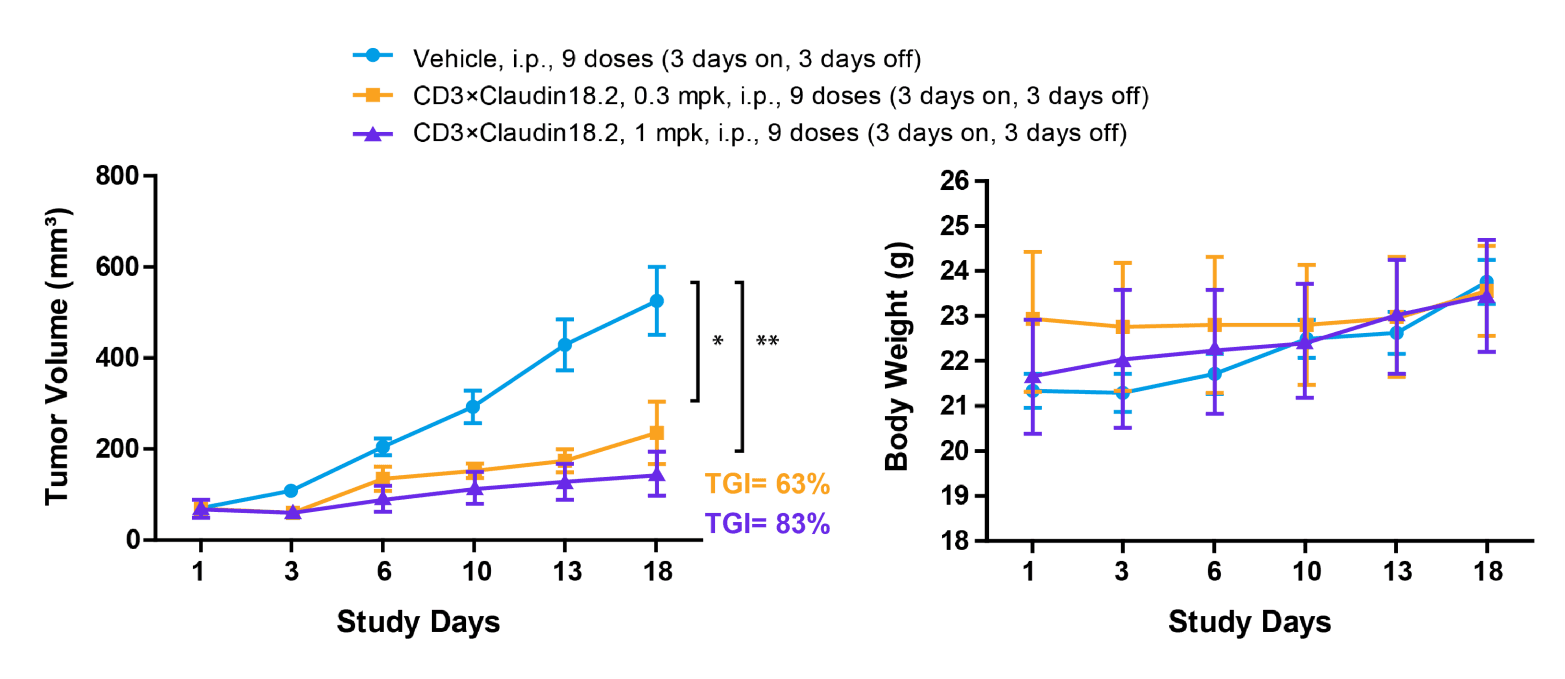
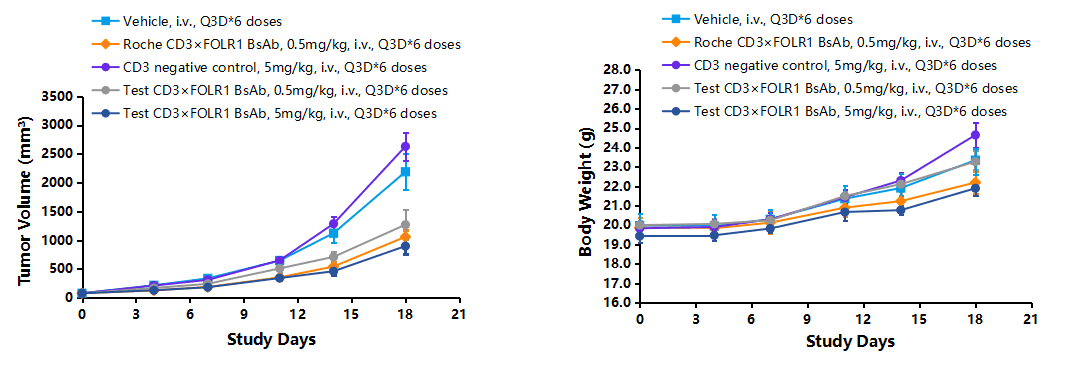
Homozygous hCD3EDG mice were engrafted with MC38-hCLDN18.2 to evaluate the in vivo efficacy of anti-CD3×Claudin18.2 bispecific antibody.
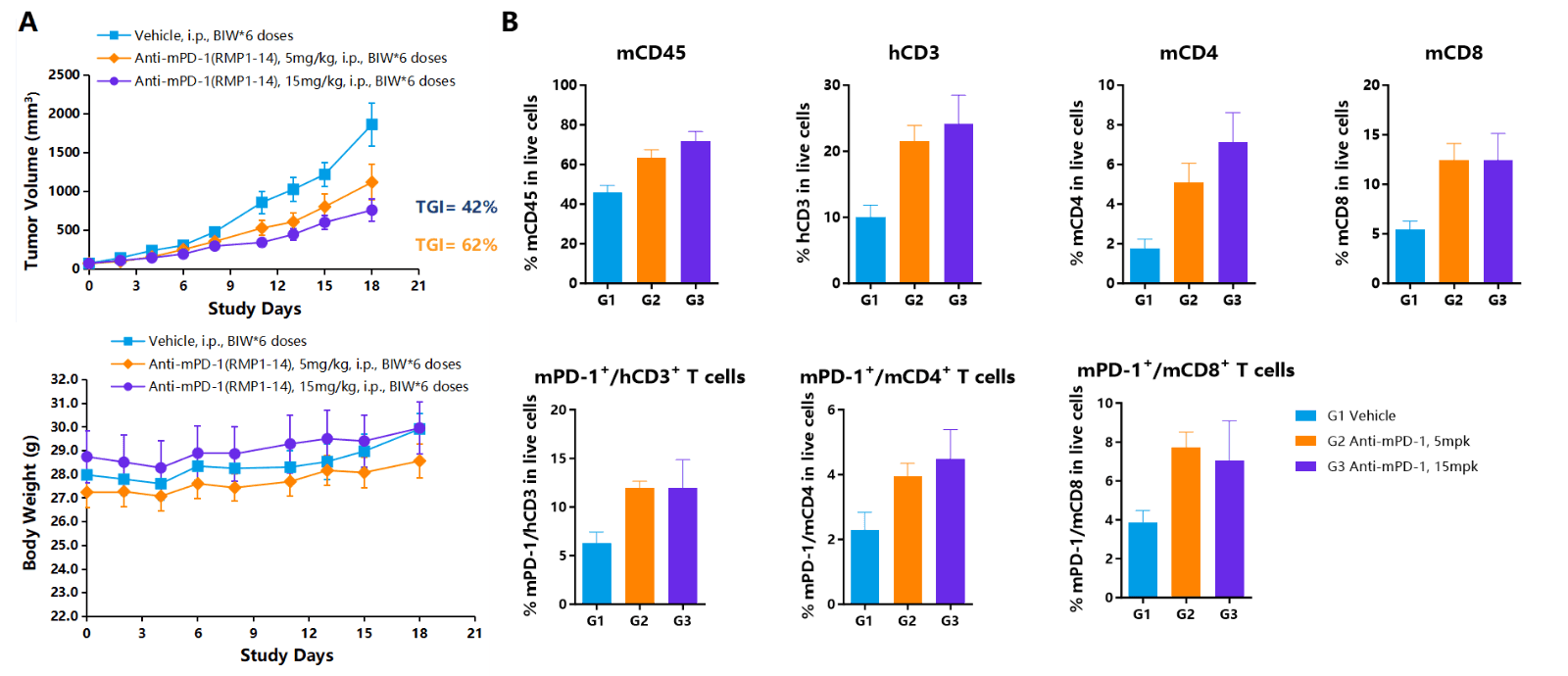
The anti-tumor response of anti-mPD-1 was evaluated in homozygous hCD3EDG mice bearing MC38 syngeneic tumor model.
Homozygous hCD3EDG mice were engrafted with MC38-hEpCAM to evaluate the AICD and irAE of anti-CD3×EpCAM bispecific antibody at low and high dose levels in vivo.
About ingenious targeting laboratory
Ingenious targeting laboratory maintains a catalog of over 14,774 mouse models, including humanized strains, Cre driver lines for conditional expression, and reporter mice for cell tracking and imaging. These quality-controlled models on defined genetic backgrounds ship as breeding pairs or cohorts with complete genotyping protocols and health documentation. Researchers gain immediate access to mouse strains without generated generation lead time, accelerating experiments across immunology, oncology, neurology, and metabolic disease applications. If you are interested in our hCD3EDG mouse model, please contact us. Or, please search our catalog for your gene of interest.