FEATURED MODEL OF THE MONTH

hIL4/hIL4R

Dual Humanized IL4/IL4R Mouse

The hIL4/hIL4R dual humanized mouse model is a critical tool for studying IL4/IL13 signaling pathways and developing targeted therapeutics for allergic diseases and asthma.

Strain Snapshot

ParameterDetail
Model namehIL4/hIL4R
Genetic backgroundC57BL/6
Catalog numberHU 2000106
Strain stateRepository live (ready to ship)
Humanized genesIL4, IL4R
ZygosityHomozygous
Research applicationImmunotherapy, cancer research, drug screening

Why Dual IL4/IL4R Humanization?

IL4 signaling through the type I receptor complex (IL4 + IL4Rα + γc) drives Th2 immune responses. Human therapeutics targeting IL4 or IL4R require both human ligand and receptor for proper binding and signaling.

The hIL4/hIL4R model humanizes both IL4 and IL4R to provide:

  • Human IL4 ligand binding to human IL4R receptor
  • Authentic type I receptor complex formation
  • Proper downstream signaling through humanized pathway
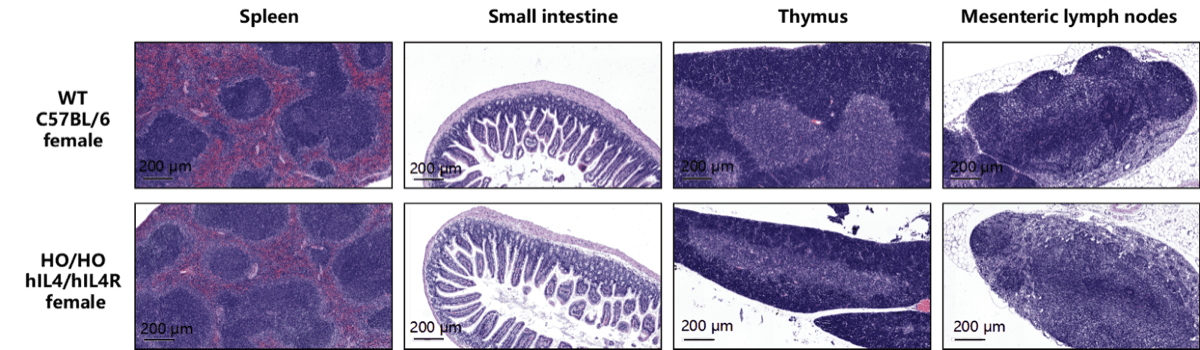
  • Normal mouse immune system architecture

This dual humanization enables testing of anti IL4/IL4R therapeutics with their native human targets in a fully immunocompetent model.

Validation Data

Fig.1 Analysis of hIL4 expression in serum by ELISA.

The homozygous KI mice express hIL4 in serum after treatment with concanavalin.
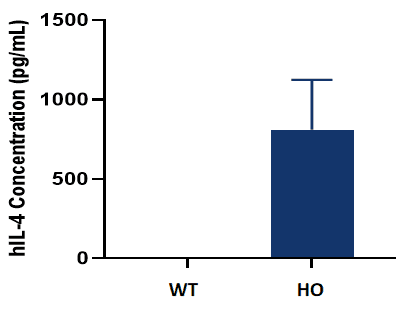
Fig.1 Analysis of hIL4 expression in serum by ELISA.
Fig.2 Analysis of hIL4R expression in the spleen by FACS.

The homozygous KI mice express hIL4R in the spleen, and the WT mice only express mIL4R.
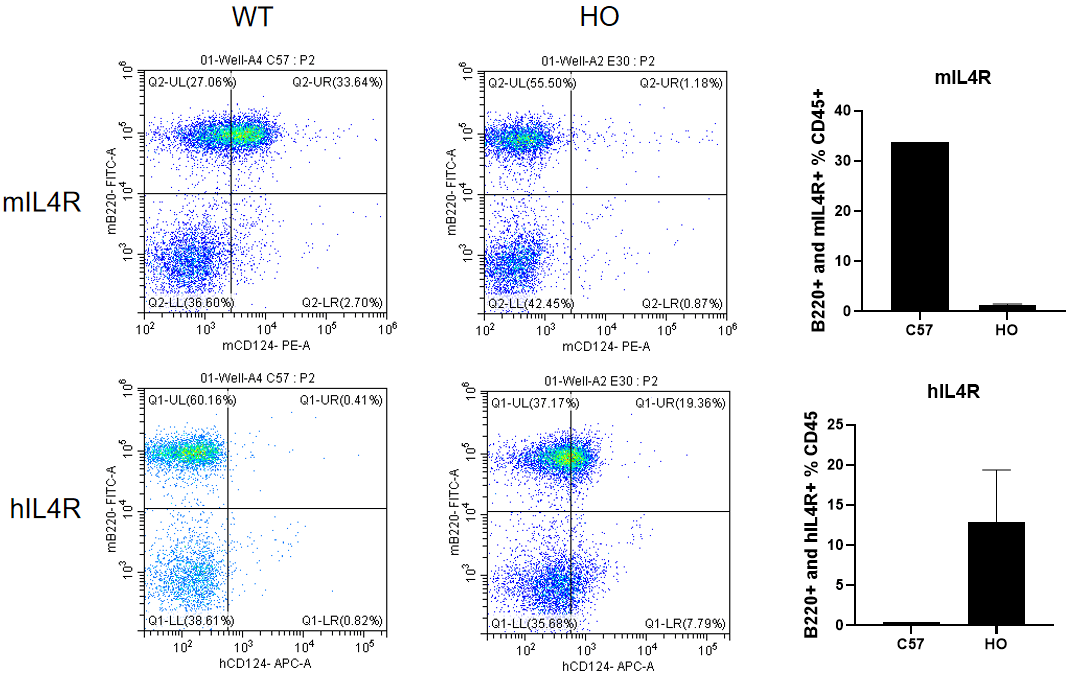
Fig.2 Analysis of hIL4R expression in the spleen by FACS.
Fig.3 Body weight and ratios of spleen, MLN and lung to body weight of WT mice and hIL4/hIL4R knockin mice. (n=5-6, female, 8-10-week-old, Mean±SEM).

Abbr. HO, homozygous; WT, wild type; MLN, mesenteric lymph nodes.
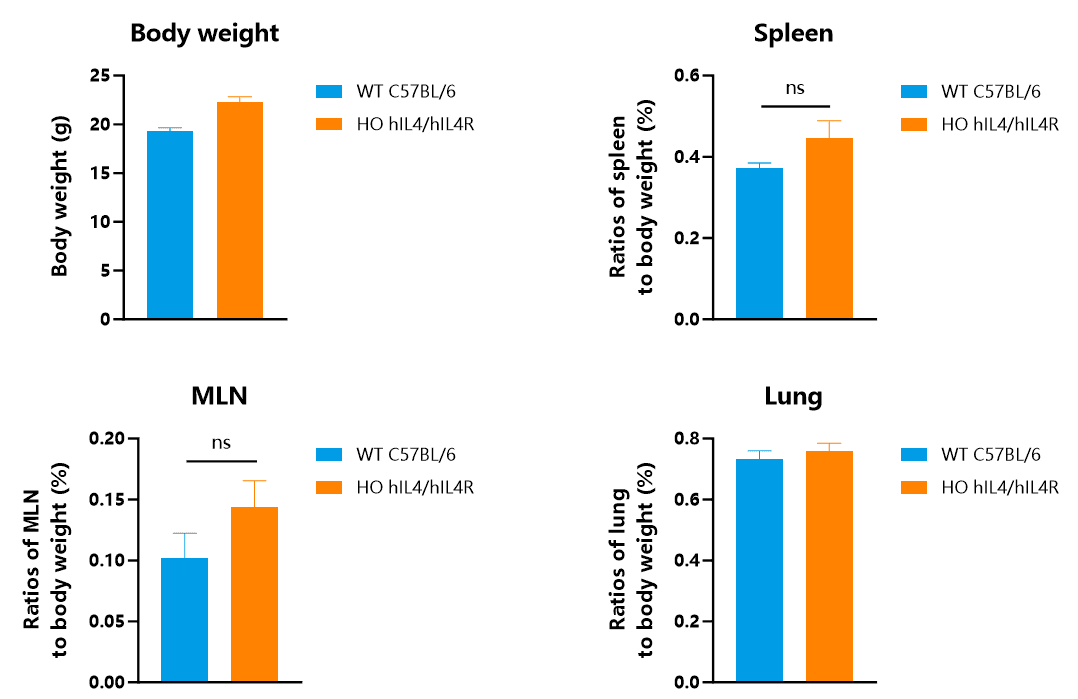
Fig.3 Body weight and ratios of spleen, MLN and lung to body weight of WT mice and hIL4/hIL4R knockin mice.
Fig.4 Detection of myeloid (A) and lymphocyte (B) in the blood of hIL4/hIL4R knockin mice by FACS (n=3 in all groups, 8-10-week-old).

Abbr. WT, wild type; HO, homozygous.
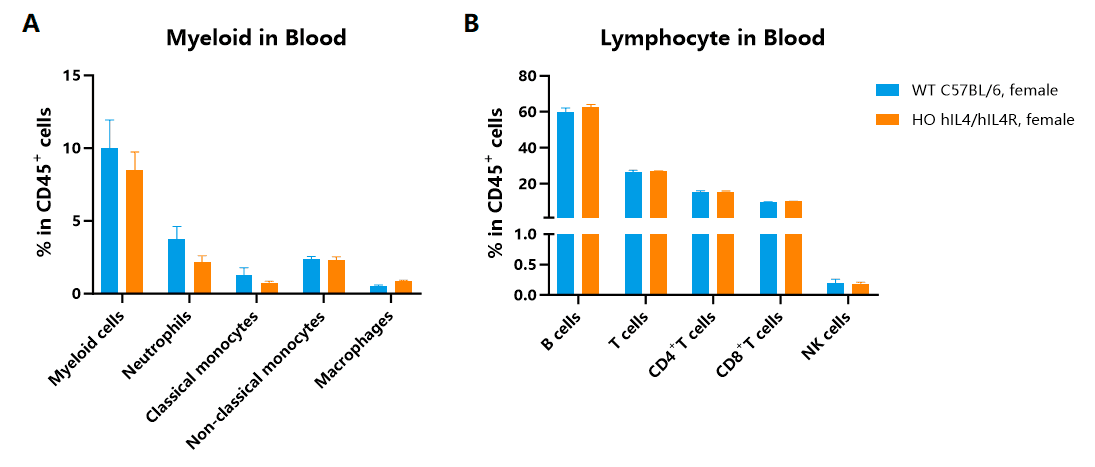
Fig.4 Detection of myeloid (A) and lymphocyte (B) in the blood of hIL4/hIL4R knockin mice by FACS.
Fig.5 Detection of myeloid (A) and lymphocyte (B) in the spleen of hIL4/hIL4R knockin mice by FACS (n=3 in all groups, 8-10-week-old).

Abbr. WT, wild type; HO, homozygous.
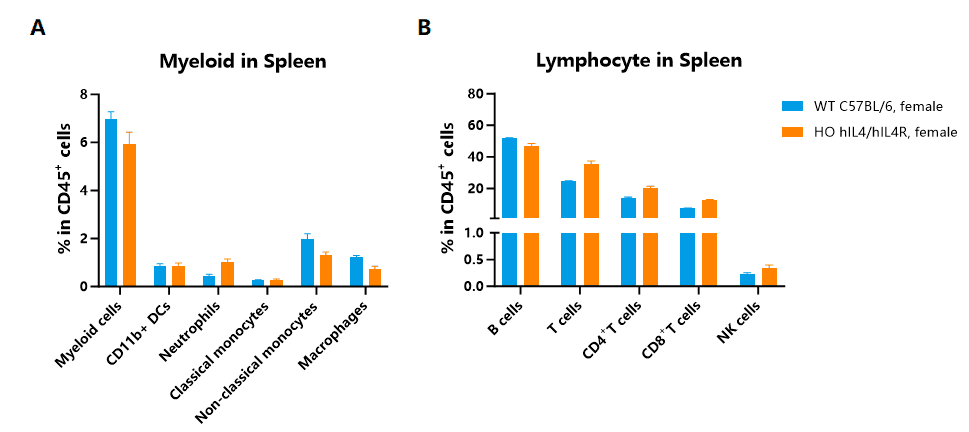
Fig.5 Detection of myeloid (A) and lymphocyte (B) in the spleen of hIL4/hIL4R knockin mice by FACS.
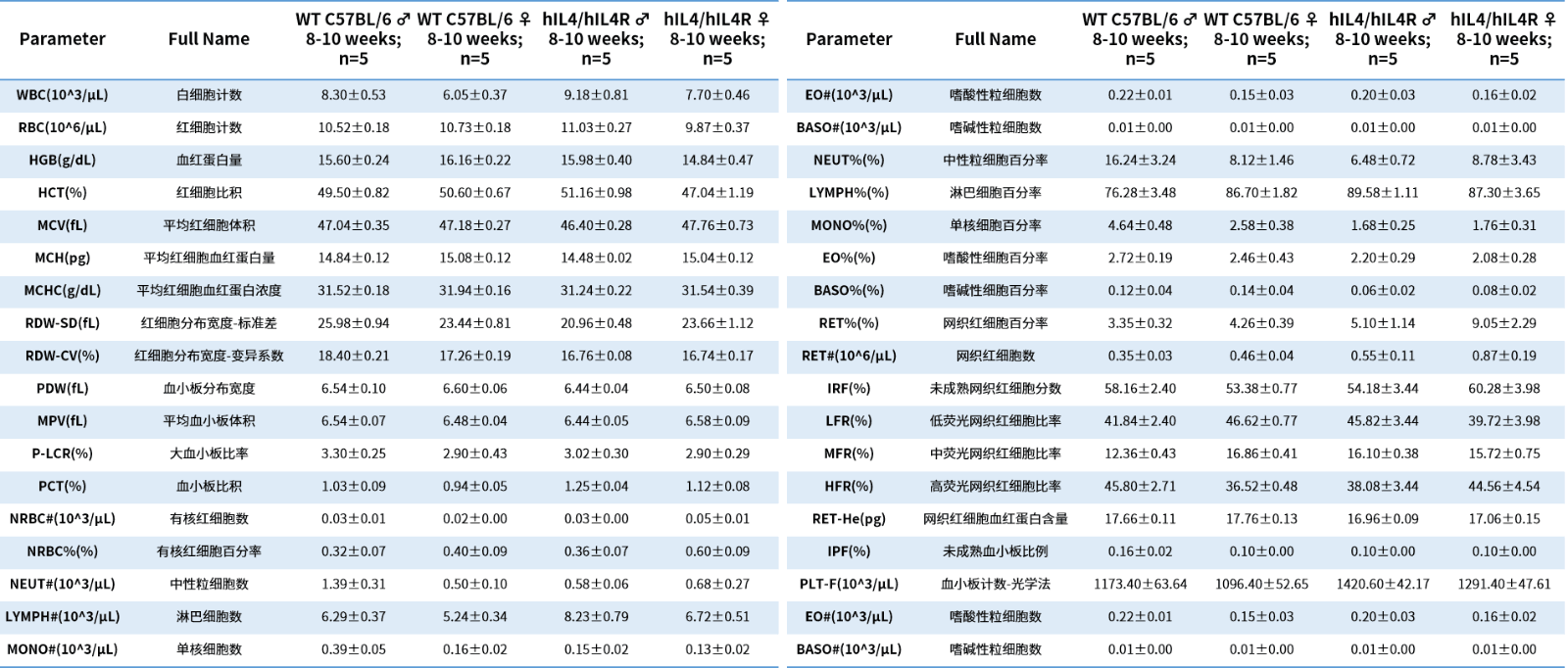
Table 1. Blood routine test results of Hom hIL4/hIL4R mice (Data are presented as mean and ± SEM).
Table 1. Blood routine test results of Hom hIL4/hIL4R mice.
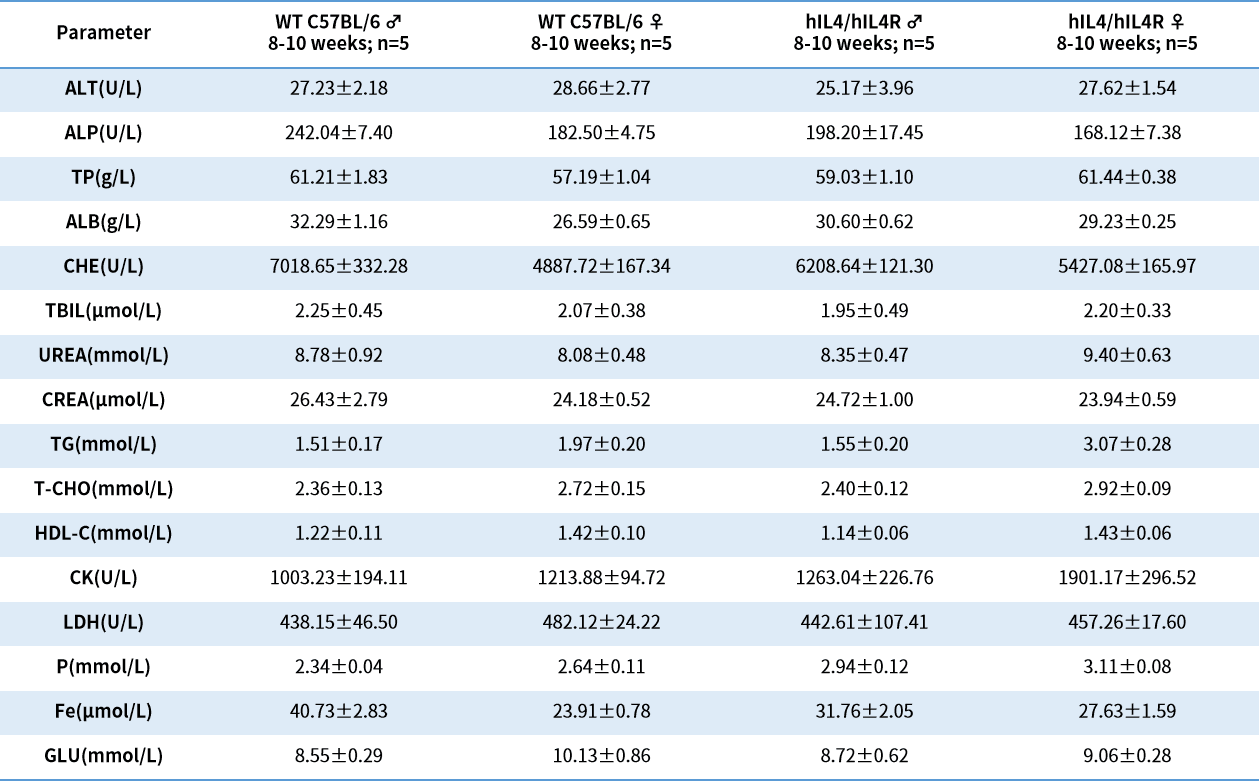
Table 2. Biochemistry examinations results of Hom hIL4/hIL4R mice (Data are presented as mean and ± SEM).
Table 2. Biochemistry examinations results of Hom hIL4/hIL4R mice.

Case 1: In vivo efficacy of anti human IL4RA mAb in the DNFB induced Atopic dermatitis Model based on hIL4/hIL4R Mice
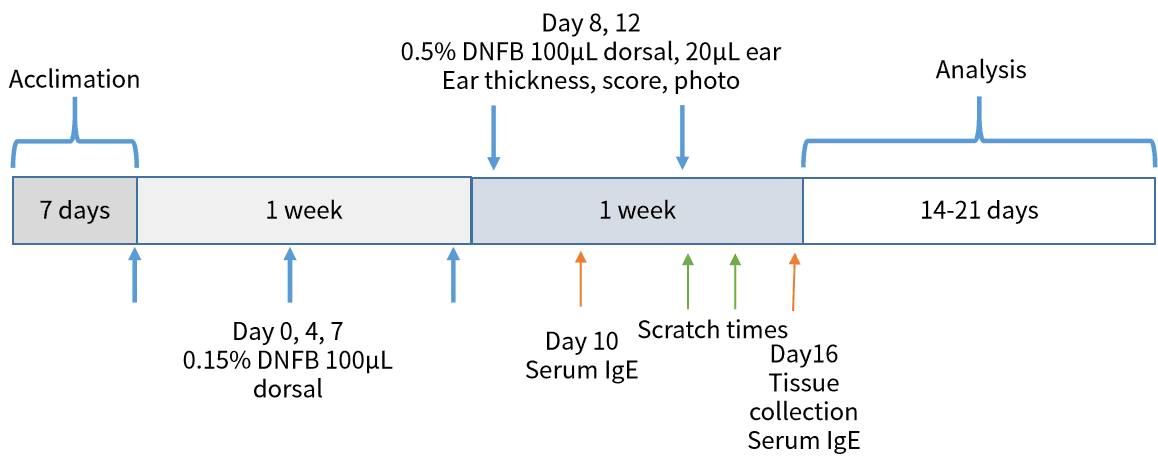
Study timeline
Case 1 DNFB induced atopic dermatitis study timeline.
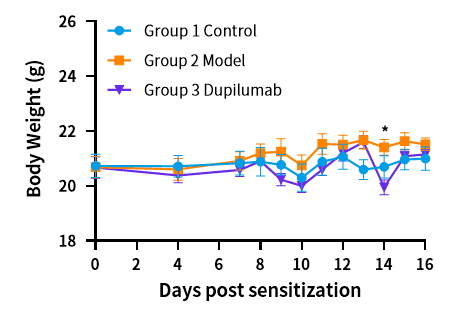
Case 1 — Fig.1 Body weight of DNFB-induced Atopic dermatitis Model hIL4/hIL4R mice treated with dupilumab. (*P<0.05)
Case 1 Fig.1 Body weight of DNFB-induced Atopic dermatitis Model hIL4/hIL4R mice treated with dupilumab.
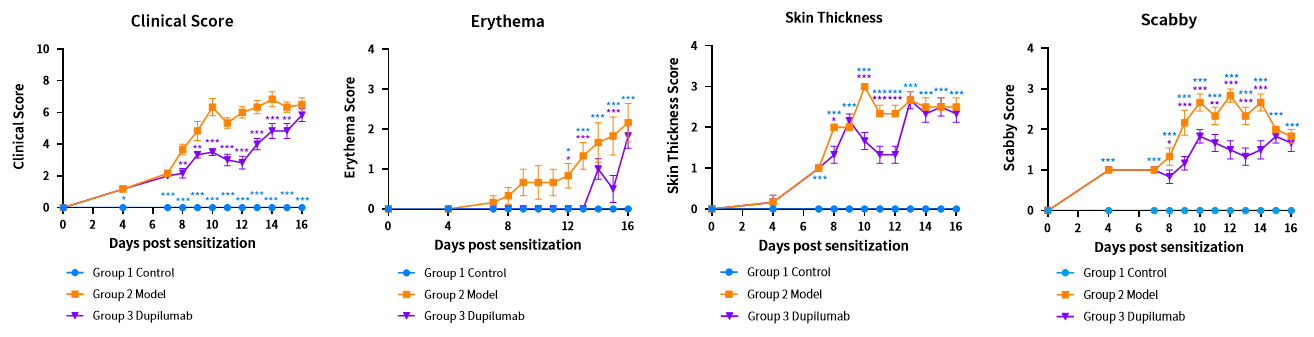
Case 1 — Fig.2 Dupilumab ameliorate overall atopic dermatitis activity in DNFB-induced AD model. (*P<0.05, **P<0.01, ***P<0.001)
Case 1 Fig.2 Dupilumab ameliorate overall atopic dermatitis activity in DNFB-induced AD model.
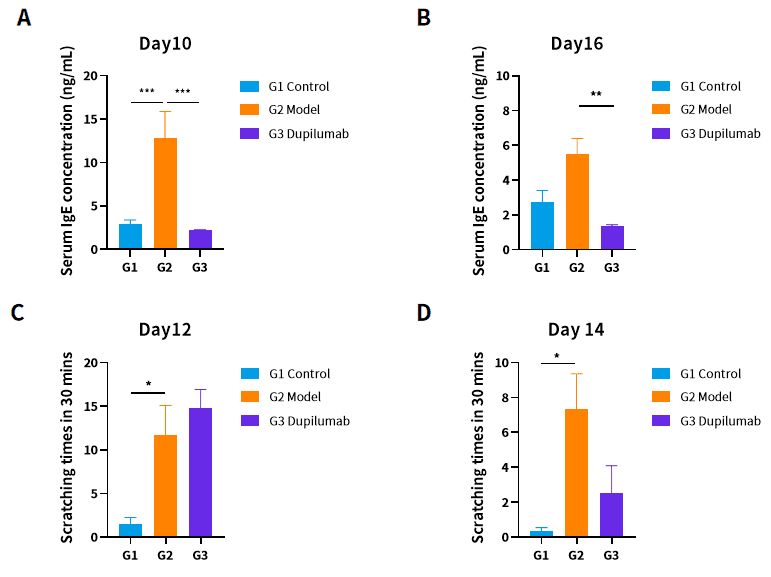
Case 1 — Fig.3 Dupilumab treatment significantly reduced IgE levels in serum and scratching times. (A) day10 serum IgE (B) day16 serum IgE (C) scratch times on Day 12 (D) scratch times on Day 14. (*P<0.05, **P<0.01, ***P<0.001).
Case 1 Fig.3 Dupilumab treatment significantly reduced IgE levels in serum and scratching times.
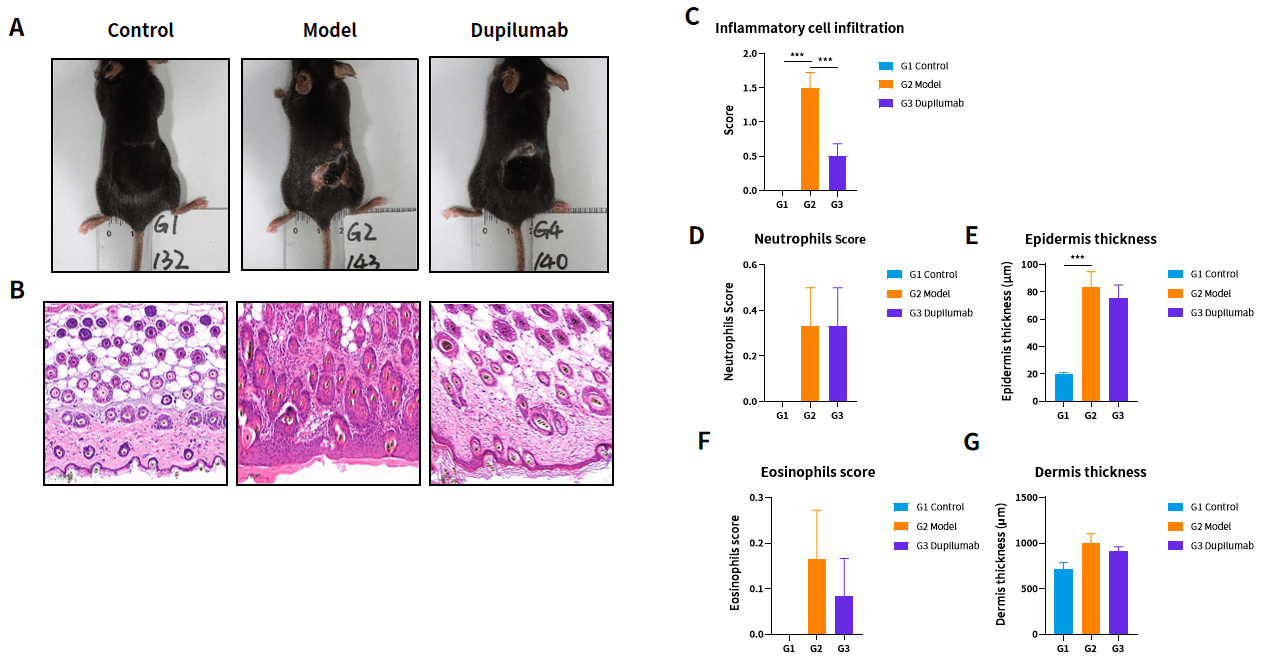
Case 1 — Fig.4 Dupilumab significantly mitigates inflammatory cell infiltration in lesioned skin on day 14. (A) dorsal image on day14; (B) Representative pathology images; (C) Inflammatory cell infiltration score; (D) neutrophils score; (E) eosinophils score; (F) epidermis thickness; (G) dermis thickness (*P<0.05, **P<0.01, ***P<0.001).
Case 1 Fig.4 Dupilumab significantly mitigates inflammatory cell infiltration in lesioned skin on day 14.

Case 2: In vivo efficacy of anti human IL4RA mAb in the OXA induced Atopic dermatitis Model based on hIL4/hIL4R Mice
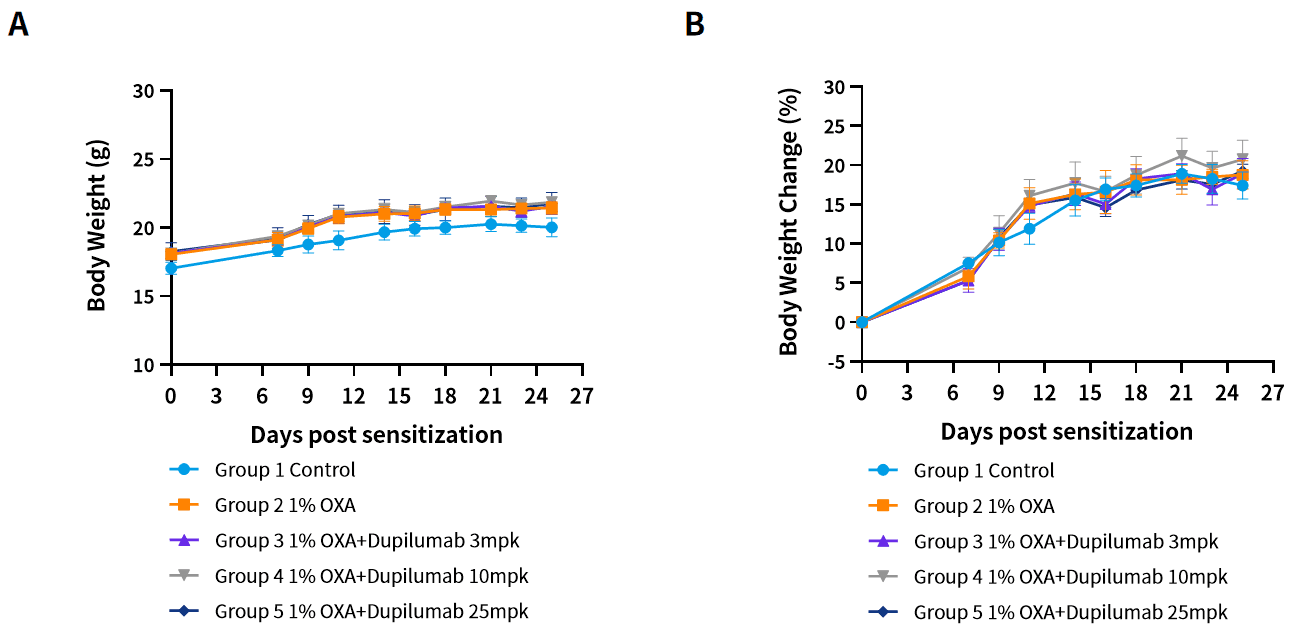
Case 2 — Fig.1 OXA induced AD model in hIL4/hIL4R mice. (A) body weight (B) body weight change. (n=6, Data are presented as Mean and ± SEM)
Case 2 Fig.1 OXA induced AD model in hIL4/hIL4R mice.
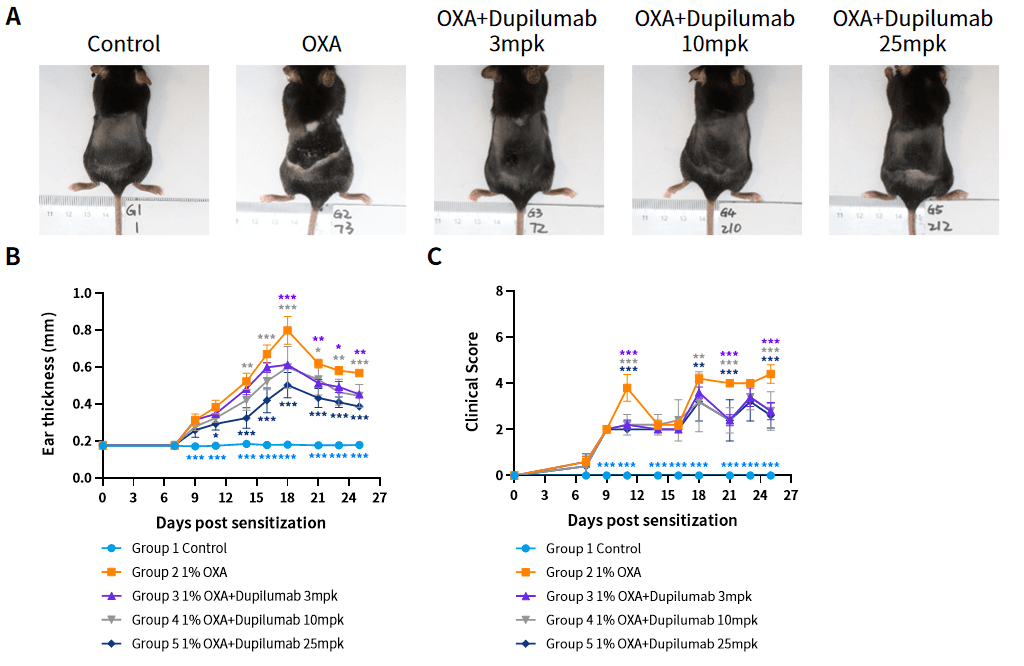
Case 2 — Fig.2 OXA induced AD model in hIL4/hIL4R mice. (A) gross observation on Day 21; (B) ear thickness (C) clinical score of skin.
Case 2 Fig.2 OXA induced AD model in hIL4/hIL4R mice.
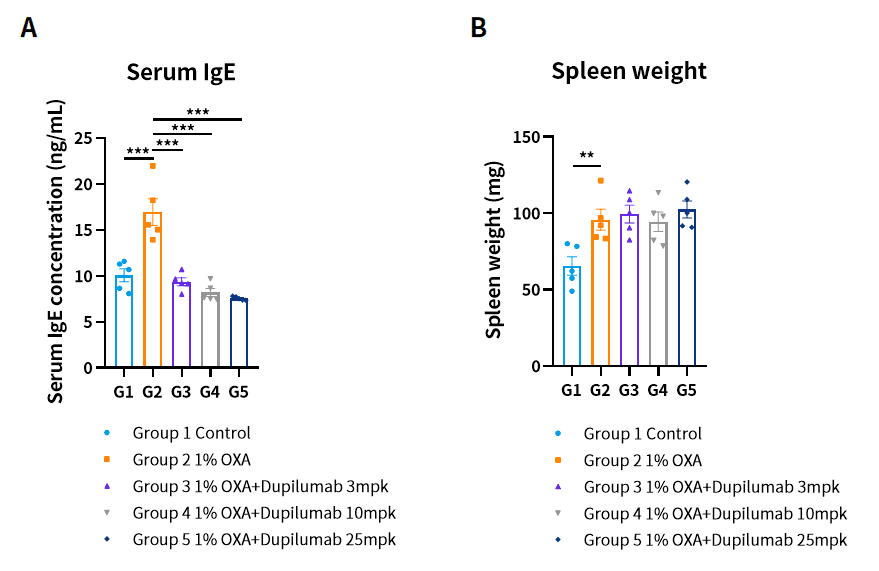
Case 2 — Fig.3 OXA induced AD model in hIL4/hIL4R mice. (A) serum IgE (B) spleen weight.
Case 2 Fig.3 OXA induced AD model in hIL4/hIL4R mice.
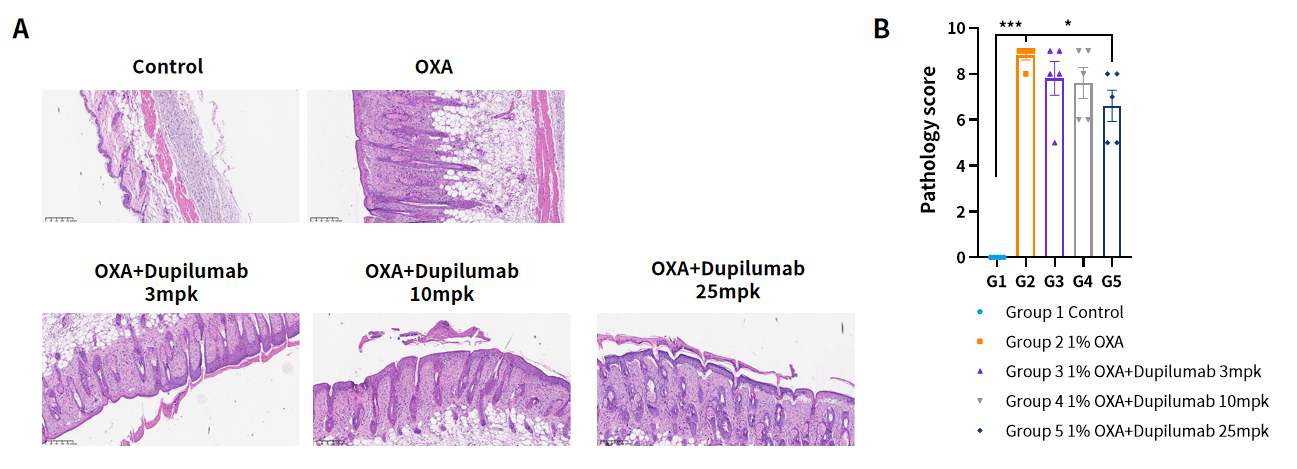
Case 2 — Fig.4 OXA induced AD model in hIL4/hIL4R mice. (A) Pathology photos (B) Pathology score.
Case 2 Fig.4 OXA induced AD model in hIL4/hIL4R mice.

Case 3: In vivo efficacy of anti human IL4RA mAb in the HDM induced Asthma Model based on hIL4/hIL4R Mice
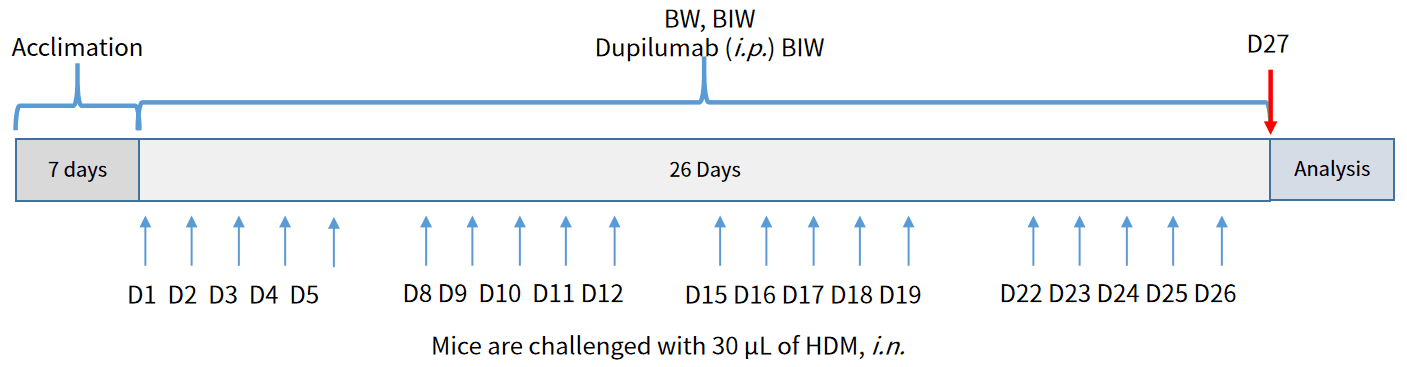
Study timeline
Case 3 HDM induced asthma study timeline.
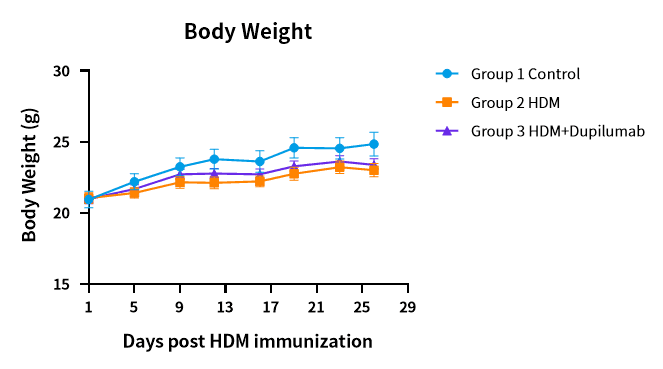
Case 3 — Fig.1 Body weight of HDM induced hIL4/hIL4R mice asthma model treated with dupilumab. (n=6, Data are presented as Mean and ± SEM)
Case 3 Fig.1 Body weight of HDM induced hIL4/hIL4R mice asthma model treated with dupilumab.
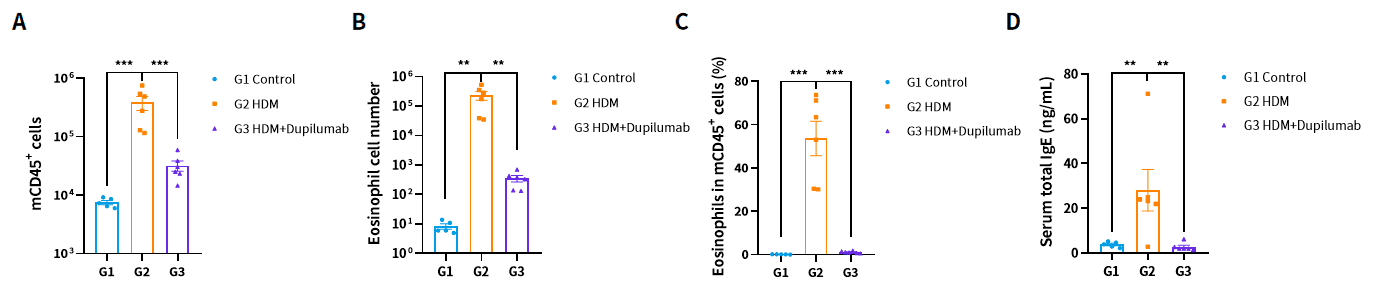
Case 3 — Fig.2 Dupilumab ameliorate overall asthma activity in HDM induced Asthma Model. (A) Inflammatory cell number in BALF. (B) Eosinophils cell number in Bronchoalveolar Lavage Fluid (BALF). (C) Eosinophils percentage in inflammatory cell. (D) Serum total IgE concentration. (**P<0.01, ***P<0.001)
Case 3 Fig.2 Dupilumab ameliorate overall asthma activity in HDM induced Asthma Model.
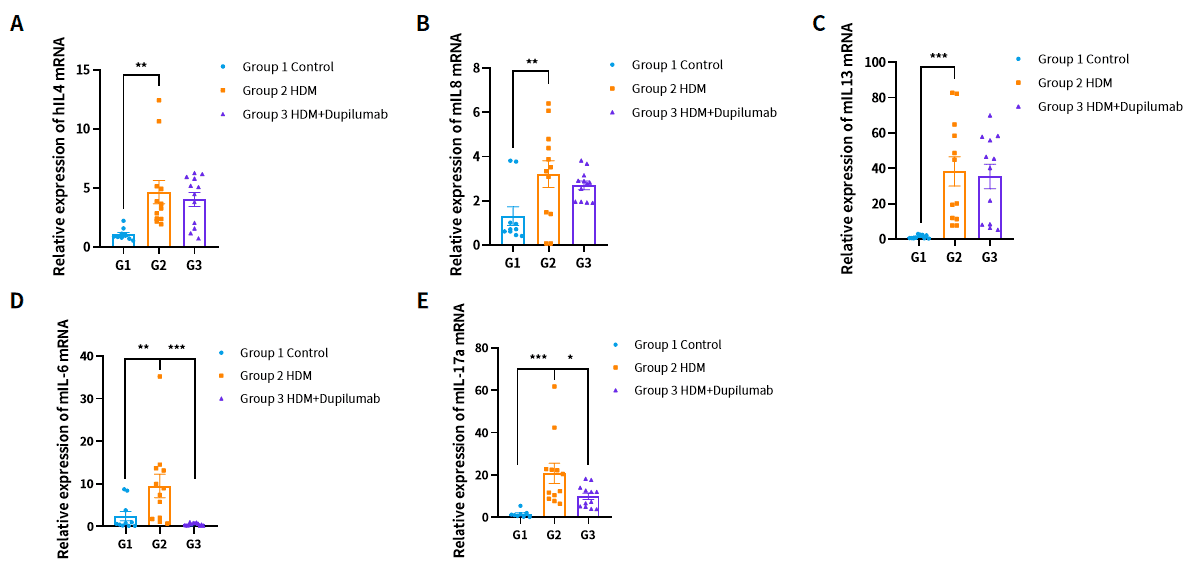
Case 3 — Fig.3 HDM induced hIL4/hIL4R mice asthma model. (A) hIL-4 mRNA expression level. (B) mIL-8 mRNA expression level. (C) mIL-13 mRNA expression level. (D) mIL-6 mRNA expression level. (E) mIL-17a mRNA expression level. (*P<0.05, **P<0.01, ***P<0.001)
Case 3 Fig.3 HDM induced hIL4/hIL4R mice asthma model mRNA expression.
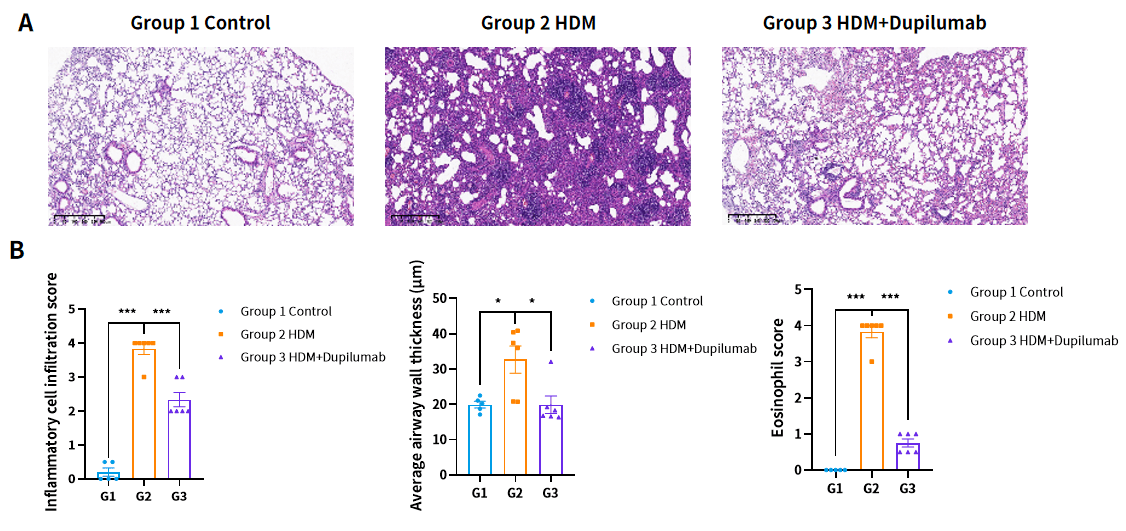
Case 3 — Fig.4 Dupilumab significantly mitigates the asthma symptoms in lung. (A) Representative images of H&E staining. (B) Pathology score results. Magnification, ×5. (*P<0.05, **P<0.01, ***P<0.001)
Case 3 Fig.4 Dupilumab significantly mitigates the asthma symptoms in lung.
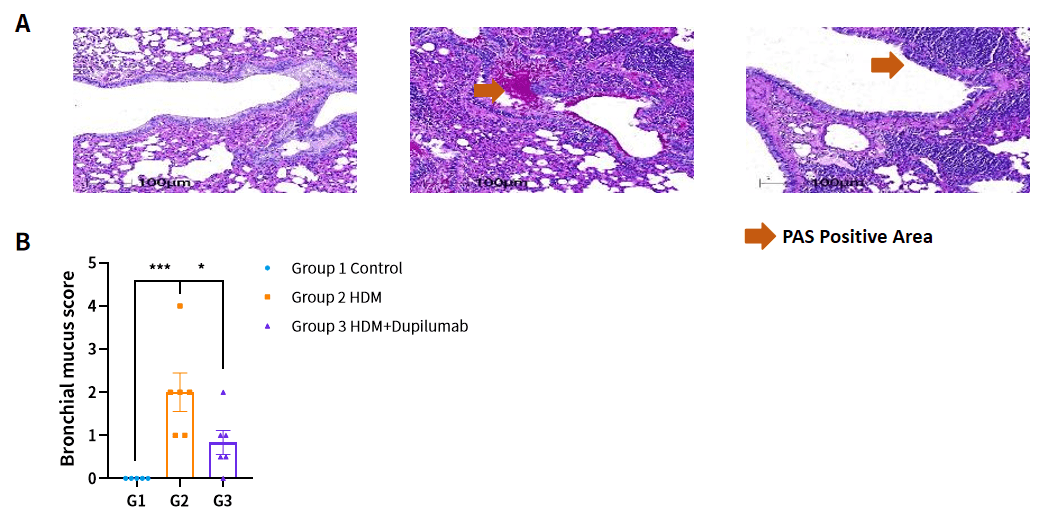
Case 3 — Fig.5 HDM induced hIL4/hIL4R mice asthma model. (A) Representative images of PAS staining. (B) mucus score. Magnification, ×10. (*P<0.05, ***P<0.001)
Case 3 Fig.5 HDM induced hIL4/hIL4R mice asthma model PAS staining.

About ingenious targeting laboratory

Ingenious targeting laboratory maintains a catalog of over 14,774 mouse models, including humanized strains, Cre driver lines for conditional expression, and reporter mice for cell tracking and imaging. These quality-controlled models on defined genetic backgrounds ship as breeding pairs or cohorts with complete genotyping protocols and health documentation. Researchers gain immediate access to mouse strains without custom generation timelines, accelerating experiments across immunology, oncology, neurology, and metabolic disease applications. If you are interested in our hIL4/hIL4R mouse model, please contact us. Or, please search our catalog for your gene of interest.